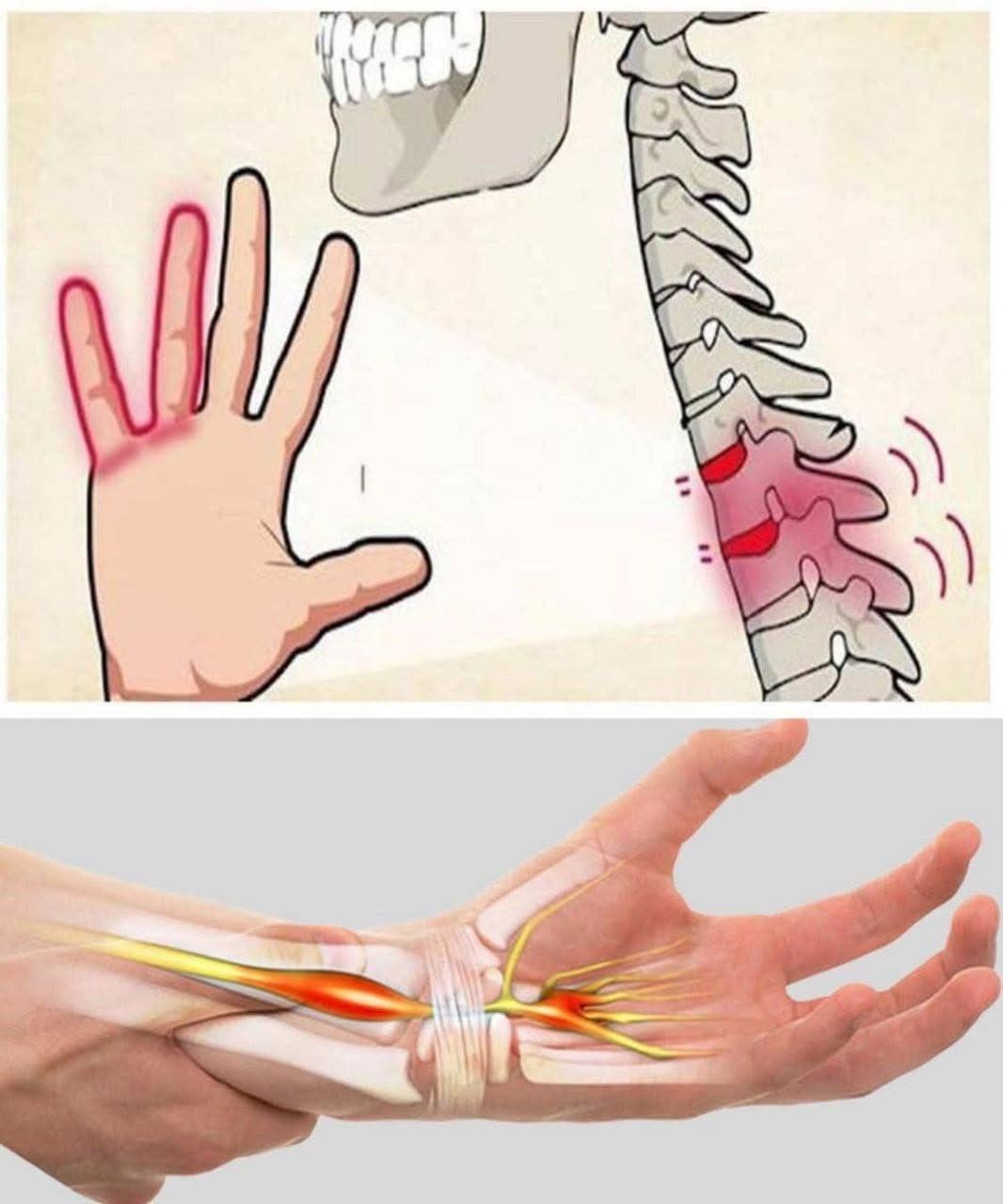
Have you ever experienced numbness or a tingling sensation in your hands for no apparent reason? This condition, known as paresthesia, can cause tingling, numbness, or even a temporary loss of sensation in the hands and fingers. In many cases, it is harmless and short-lived. However, if it occurs frequently or lasts for an extended period, it may be a sign of an underlying health condition.
Common Causes of Hand Numbness
Hand numbness can have several causes, including temporary nerve compression, nerve disorders, or problems affecting blood flow. Some common causes include:
-
Poor Posture or Prolonged Pressure
Sleeping in an awkward position or resting your arm on a hard surface for too long can put pressure on nerves and temporarily reduce blood flow, leading to numbness or tingling. -
Carpal Tunnel Syndrome
Carpal tunnel syndrome occurs when the median nerve in the wrist becomes compressed. Repetitive hand movements, inflammation, and conditions such as arthritis can contribute to this compression. Symptoms may include tingling, numbness, pain, and weakness in the hand and fingers. -
Circulatory Problems
Problems affecting blood circulation can sometimes cause numbness or tingling in the hands. Conditions such as diabetes and high blood pressure can be associated with circulation or nerve problems, although hand numbness can have many other causes as well.
Most temporary tingling is not an emergency, but certain accompanying symptoms can signal a situation that needs prompt medical attention.
When to See a Doctor
If your hand numbness is persistent, occurs frequently, worsens over time, or interferes with normal activities, make an appointment with a healthcare professional for evaluation.
Seek urgent medical attention if sudden numbness is accompanied by symptoms such as severe weakness, loss of coordination, difficulty speaking, facial drooping, severe dizziness, or other sudden neurological changes. These symptoms can sometimes occur with serious conditions that require immediate treatment.
Early evaluation can help identify the underlying cause and determine whether treatment is needed.